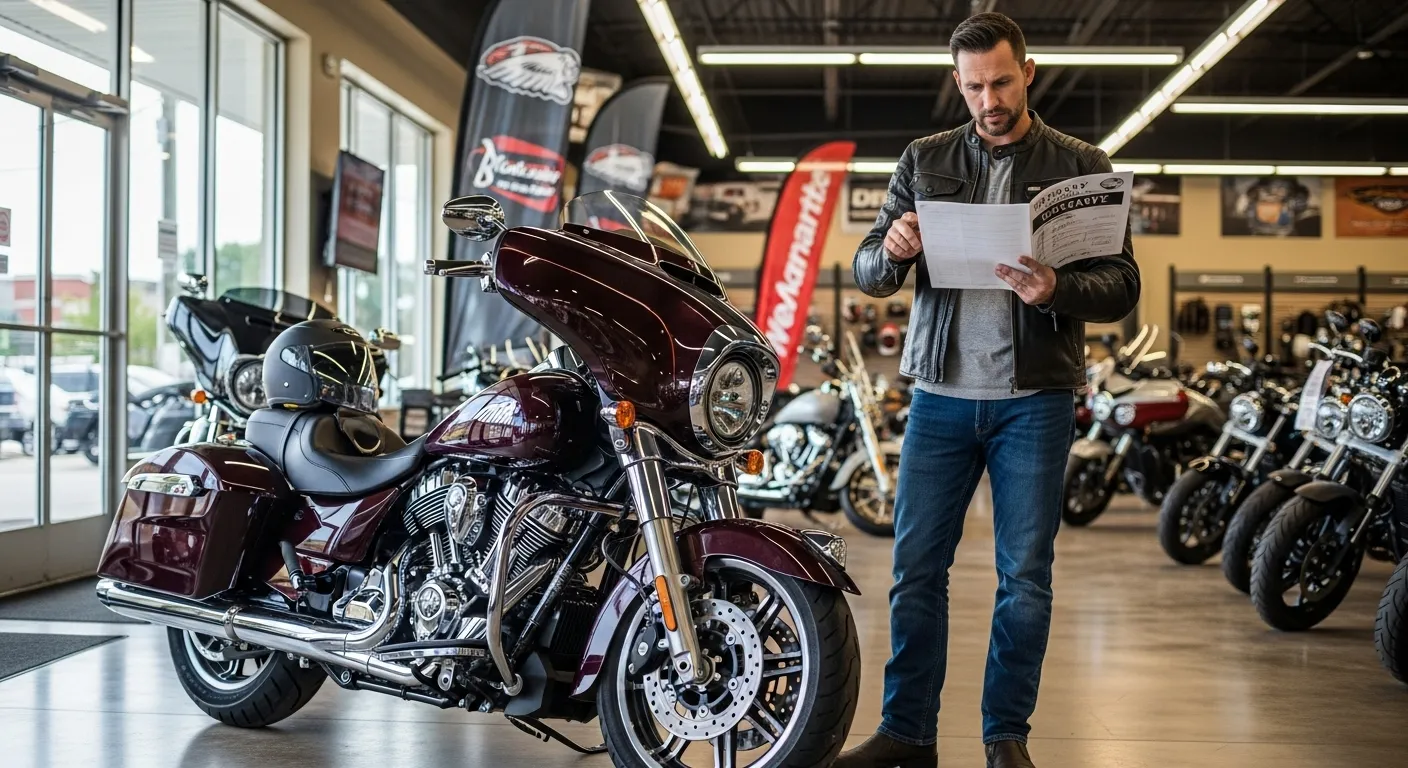
Something interesting is happening in motorcycle showrooms across the U.S.—more riders are walking out with “peace of mind” in the form of an extended warranty. Dealers push it as a safety net against repair bills, but not everyone’s convinced it’s a smart move.
In a time when new bikes are packed with more electronics and features than ever, the idea of protecting your machine sounds great. But what if the math doesn’t add up? Let’s dig deeper into what an extended bike warranty really offers, and whether it’s worth saying “yes” before signing on that dotted line.
🧾 What Exactly Is an Extended Bike Warranty?
An extended warranty—sometimes called a service contract—is basically an insurance-like product you buy after your manufacturer’s warranty expires. It promises to cover repairs for certain components if they fail after that original coverage runs out.
Dealers love to pitch it at the end of a sale, often highlighting expensive repair scenarios: a blown fuel injector, a dead ECU, or a failed ABS pump. Those numbers can be scary—sometimes running into four digits. But here’s the catch—not every failure is covered, and reading that fine print can feel like decoding ancient text.
It’s a bit like buying an umbrella that works only in light rain, but not during a storm.
Also take a look at this post: EV Credit’s Exit: What’s Next for U.S. Auto Giants in 2026?
💸 The Real Costs Behind the “Peace of Mind”
Here’s where things get tricky. Extended warranties can cost anywhere from $500 to $2,000, depending on the brand, coverage, and duration. For example, Harley-Davidson’s “ESP” (Extended Service Plan) might offer up to seven years of coverage—but only for parts that meet specific conditions.
Now, think of what that money could buy instead—quality riding gear, a few service sessions, or a full set of tires. If your bike is reliable and you maintain it regularly, those funds might be better spent elsewhere.
That said, extended warranties make sense for high-end or touring motorcycles that rack up miles fast. A BMW R1250GS or an Indian Challenger owner might see real value if they ride 10,000 miles a year and can’t afford downtime.
Interestingly enough, extended warranties often benefit riders who ride more than they talk about it on forums.
⚙️ What’s Usually Covered (and What’s Not)

Extended warranties sound reassuring—until you realize how narrow their coverage can be. Most plans include:
- Engine internals (pistons, valves, camshafts)
- Transmission components
- Fuel system parts
- Some electronic modules
But they often exclude:
- Wear-and-tear items (chains, brake pads, clutch plates, tires)
- Cosmetic damage (paint, rust, seat wear)
- Aftermarket parts
- Accidents or neglect
It’s vital to read the “exclusions” section—because that’s where the heartbreak usually begins.
If the salesperson rushes you past the fine print, that’s your sign to slow down.
Also take a look at this post: 10 Signs Your Motorcycle Chain Needs Replacement
🧠 When an Extended Warranty Actually Makes Sense

Extended warranties aren’t all bad—they just need the right context. Here are a few situations where they genuinely help:
- Long-Term Ownership – If you plan to keep your motorcycle for more than 5 years, especially a premium model, the warranty can cover aging electronics or expensive parts.
- High Mileage Riders – Touring and adventure riders who clock thousands of miles yearly can see good returns.
- Dealer-Only Service History – If you always get your bike serviced at authorized centers, claims are easier to approve.
- Peace of Mind Factor – For riders who simply want no surprises—sometimes the emotional value is worth more than the financial one.
However, for smaller bikes, reliable commuters, or those under extended manufacturer warranties already, it’s often redundant.
🔍 The Dealer’s Perspective — And What They Don’t Tell You

Let’s be honest—dealers make a solid profit margin on warranties. It’s an add-on product, much like insurance, and they often receive bonuses for selling more. That’s why you’ll hear the hard sell: “This plan will save you thousands later.”
But dealers rarely mention that you can buy similar coverage from third-party providers or even direct from the manufacturer after your purchase—often at a lower rate. Some credit card companies or motorcycle insurers also offer mechanical breakdown coverage, which can serve a similar purpose.
If a deal sounds too urgent, it’s probably more about their target than your protection.
🛠️ Real Rider Stories: When Warranties Pay Off (and When They Don’t)
Ask any group of riders, and you’ll get two kinds of stories. One rider might swear the warranty saved them a $1,200 repair bill on a fuel pump. Another will tell you how their claim was denied because the “failure wasn’t covered under the clause.”
It’s a coin toss, really—but with fine print controlling the odds. In most online rider communities, the consensus is simple: extended warranties work if you understand them, not if you assume them.
If you’ve experienced random sensor failures or use your motorcycle as a daily commuter, a warranty can give you backup. But if you’re more of a weekend cruiser who services regularly, it’s often unnecessary.
🧭 Alternatives Worth Considering
Before you sign for that extended warranty, consider a few smart alternatives:
- Maintenance Fund: Set aside $25–$40 monthly for future repairs.
- Manufacturer Loyalty Programs: Some brands offer goodwill repair discounts after the warranty expires.
- Comprehensive Insurance Add-Ons: Certain plans now include limited mechanical coverage.
You can explore more insights in the Finance and Insurance sections on RideTrailBlaze for practical ownership tips like these.
Sometimes, your best warranty is simply taking care of your machine and knowing your rights.
🏁 Final Thoughts — Should You Get It?
If you own a high-end or tech-heavy motorcycle and rack up serious miles, yes, an extended warranty can make life easier—especially if you prefer dealer service and don’t want surprises.
But for most riders, especially those with simpler machines or shorter ownership cycles, it’s an unnecessary expense. A well-maintained bike, regular servicing, and a bit of mechanical awareness can do just as much.
At the end of the day, buying an extended warranty isn’t about fear—it’s about understanding your risk tolerance and your riding style.
If you’ve been waiting for a sign before ticking that “Yes” box, this might just be the clarity you needed.