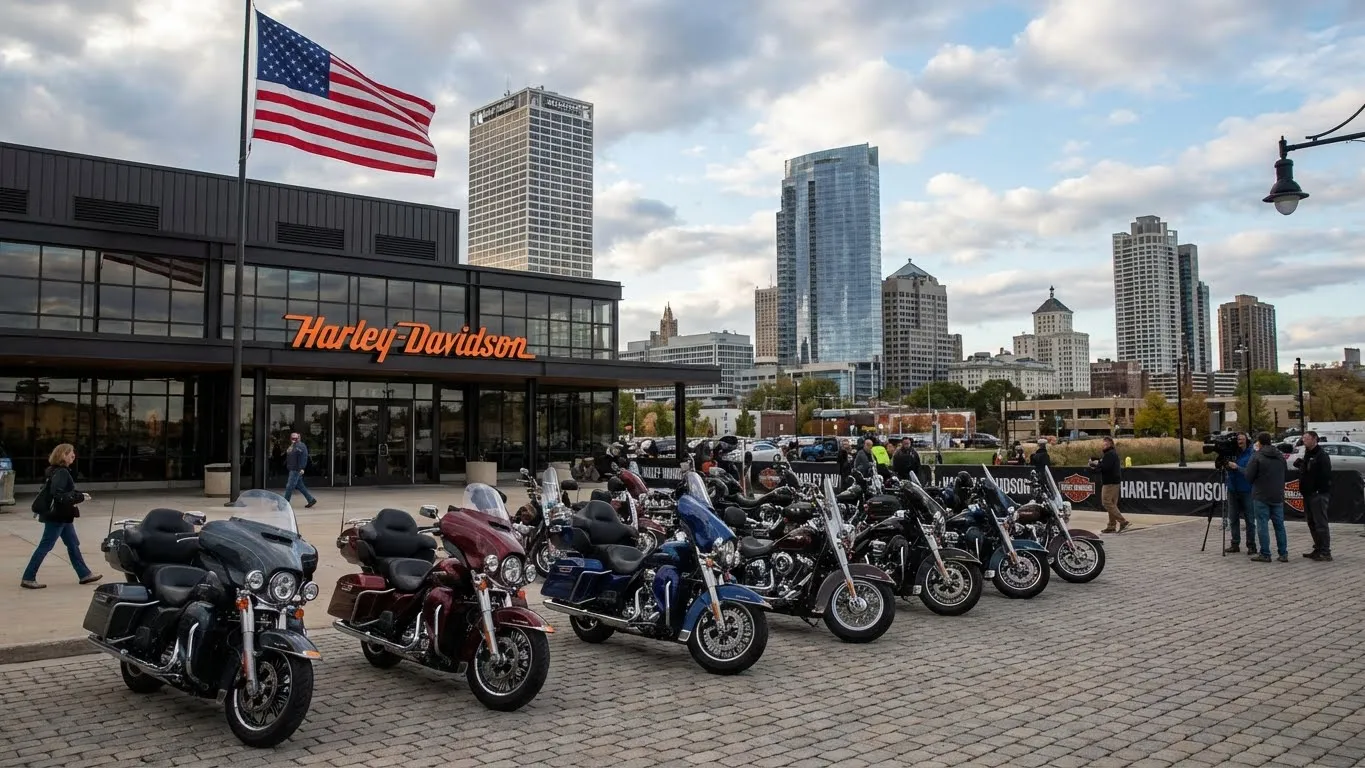
Something’s shifting in the motorcycle world, and you can feel it even before the engines warm up. Harley-Davidson — one of America’s most iconic moto brands — has just made the kind of leadership changes that don’t happen quietly. Riders are talking, dealers are whispering, and the entire industry is watching very closely.
Even in the dirt and adventure space, where Harley usually plays a supporting role, this move matters. Big brands don’t shake up their entire C-suite unless they’re preparing for something major. And honestly? It feels like we’re standing at the beginning of a very different Harley era — one that could impact everything from future models to how riders experience the brand.
I’ve seen plenty of leadership reshuffles over the years, but this one carries a different sort of energy. It feels like Harley is finally acknowledging the gap between its legacy and what modern riders actually want today.
Why Riders Are Suddenly Talking About Harley’s Big Shakeup
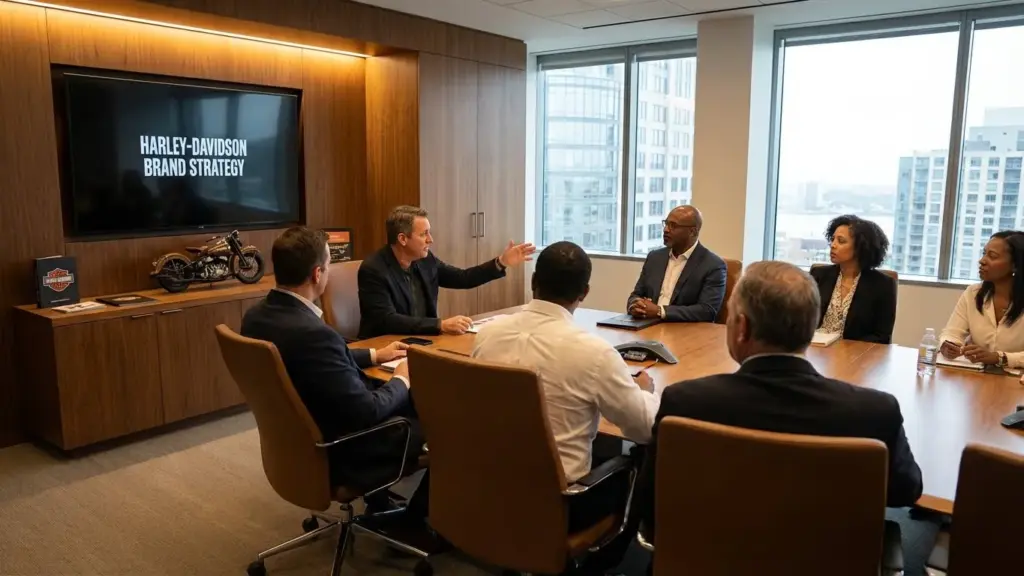
Harley-Davidson didn’t just tweak a job title or add a new VP.
They replaced or repositioned key decision-makers across almost every department that shapes the company’s direction.
Here’s the short version:
- New Chief Operating Officer
- New Chief Marketing Officer
- New Chief Brand Officer
- New CFO role combined with Commercial leadership
- All operating under CEO Artie Starrs
That’s a massive reset for a company this big.
The conversations I’ve been hearing from riders echo the same question:
“Is Harley preparing for a full-blown reinvention?”
And interestingly enough — it does look that way.
Harley has been dealing with declining sales in several segments, stiff competition from ADV brands like BMW and KTM, and growing pressure to modernize its electric lineup. When a brand this legendary retools its leadership, it signals something bigger than quarterly numbers.
It signals intention.
And Harley’s intention right now seems clear:
Rebuild trust, rebuild momentum, and rebuild relevance.
You must read this also: Harley-Davidson Sportster S: Still a Best-Seller Despite Market Shifts
What’s Pushing Harley to Reset Its Executive Team?
You don’t replace your CMO and COO at the same time unless the strategy needs more than mild tuning. Harley’s challenges didn’t appear overnight — they’ve been building quietly:
- Aging customer base
- Slower growth in the cruiser/touring segments
- Adventure and off-road markets exploding without Harley capturing enough share
- Dealers calling for better support and clearer product messaging
- Electric bikes evolving faster than Harley’s EV strategy
If you hang out in any dealership long enough, you’ll hear riders saying the same thing:
“Harley makes great bikes, but the brand feels like it’s chasing yesterday.”
That said — Harley isn’t out of the game. Not even close.
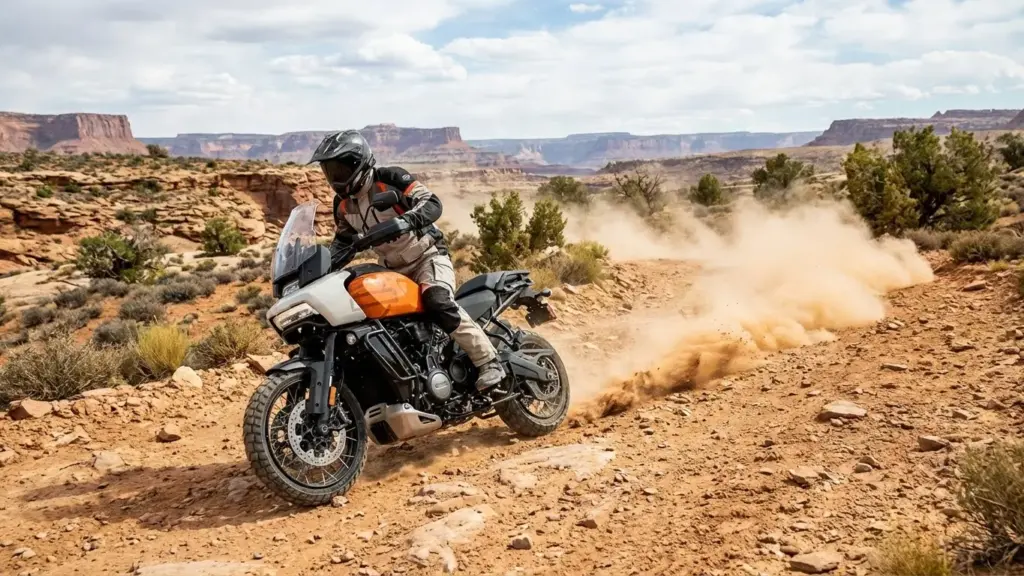
The Pan America proved that Harley can innovate when it wants to.
The leadership refresh feels like Harley telling the world,
“We’ve listened. Now watch what happens next.”
How This New Leadership Could Change Harley’s Future Models
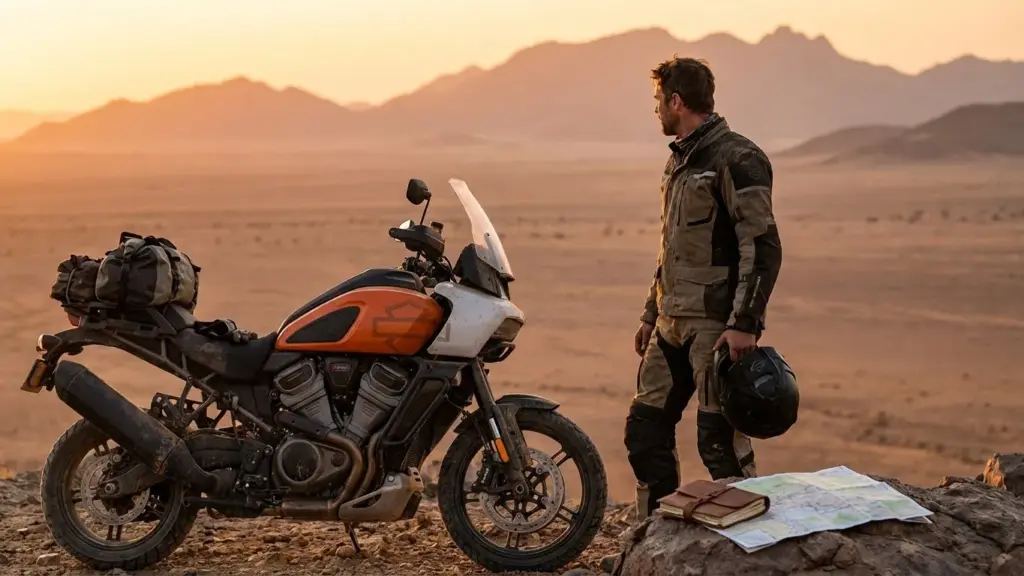
When new leaders step in, they bring new priorities. And those priorities trickle directly into the bikes we eventually see hitting the showrooms.
Here’s what many riders — myself included — expect:
1. A Stronger Adventure and Off-Road Push
The Pan America surprised a lot of people with its capability.
And while it’s not stealing KTM’s crown, it showed Harley can compete when it tries.
With this leadership, don’t be shocked if we see:
- A lighter Pan America variant
- Better suspension tuning
- More aggressive off-road geometry
- Maybe even a mid-size ADV model (that segment is exploding)
If you’re into the adventure category, you’ll find similar coverage in our Adventure Bikes section.
2. A More Modern Electric Strategy
LiveWire is cool — expensive, but cool.
However, EV dirt and dual-sport machines are gaining serious traction.
Will Harley follow?
Maybe not tomorrow. But with a new brand officer and fresh marketing team, the EV roadmap could get sharper and more rider-focused.
You can explore more in our Electric Dirt Bikes category if you’re curious about where EV tech is heading.
3. Better Price Positioning
A lot of Harley fans say the same thing in different words:
“We love the bikes. We don’t love the price tags.”
New commercial leadership often means new pricing logic, promotions, or model strategies.
That could bring Harley closer to riders who’ve been shifting toward Japanese or European brands for value-focused options.
Dealers Wanted Change — and Harley Finally Responded
I’ve spoken with dealership employees from Milwaukee to Miami over the past year, and one feeling kept coming up:
“Harley needs to reconnect with the people who sell and ride the bikes.”
The new leadership seems aimed at fixing exactly that.
Dealers want:
- More consistent supply
- More realistic goals
- More flexibility
- Marketing that actually speaks to today’s riders
- Products positioned for younger audiences
If Harley delivers even half of that, it could completely change the company’s trajectory.
That’s why these leadership changes feel less like corporate reshuffling and more like a strategic reset button.
Could This Be Harley’s Comeback Moment?
Honestly? It might be.
Harley has always had the power to swing big.
But for the past decade, it felt like the brand was living in its rear-view mirror. This leadership shift finally feels forward-facing.
Here’s what I think could be possible in the next 24–36 months:
- A sharper ADV lineup
- Better pricing strategies
- Younger rider campaigns
- Modern digital marketing (Harley has been behind)
- More dirt-friendly machines
- Strong movement in EV, especially lightweight electric bikes
If even two or three of these come true, Harley’s entire brand image could shift.
And for riders?
That means more options, more innovation, and more competition — which always pushes the industry forward.
What This Means for Everyday Riders
From weekend cruisers to ADV explorers, riders want one thing:
A brand that listens and evolves.
Harley’s leadership overhaul hints at exactly that.
Even if you ride a dirt bike more than a cruiser, these moves matter because Harley’s influence stretches across the entire moto ecosystem.
Here’s the practical impact on riders:
- More relevant new models
- Better dealer experiences
- Smarter pricing strategies
- More innovation in off-road and electric spaces
- Stronger competition, which benefits everyone
And if you’re just getting into riding, this shift could open the door to more beginner-friendly Harley options, too.
Check out our Motorcycle Tips or Beginner Guides sections if you’re exploring options.
Specs Table: Harley-Davidson Pan America 1250 (Contextual Reference)
Since this leadership shift may influence the future of Harley’s ADV lineup, here’s a quick look at one of their current flagships.
| Feature | Specification |
|---|---|
| Engine | 1252cc Revolution Max V-Twin |
| Power | 150 hp |
| Torque | 94 lb-ft |
| Suspension | Semi-Active Front & Rear |
| Weight | 559 lbs (wet) |
| Seat Height | 31.5–33.5 in |
| Off-Road Modes | ABS, Traction Control, Custom Maps |
| Wheels | 19” front / 17” rear |
On paper, the Pan America already has serious muscle. But what really stands out is how controllable it feels on loose gravel, especially when you dial in the off-road ride mode. It’s predictable in the best way — and that’s what gives riders hope for Harley’s next chapter.
Should Riders Expect Big Changes in 2025?
Yes — or at least the groundwork for big changes.
New leadership rarely keeps the old roadmap untouched.
The next year is likely when Harley:
- Rebuilds its brand messaging
- Repositions core models
- Sharpens its ADV and EV approach
- Focuses on younger demographics
- Smooths dealer relationships
If you’re planning a new purchase, this is a good time to watch closely.
You might even find yourself waiting to see what the 2025–2026 lineup brings — and I wouldn’t blame you.
Final Thoughts
Harley-Davidson’s leadership shakeup isn’t just corporate noise.
It’s a signal — loud, overdue, and full of possibility.
The question now is whether the new team can deliver what riders actually want:
innovation, affordability, cleaner design, better off-road capability, and a brand experience that feels modern again.
If Harley truly leans in, this could be the beginning of its biggest comeback in decades.
And honestly?
If you’ve been waiting for a reason to get excited about Harley-Davidson again… this might be it.