
Motorcycle insurance isn’t cheap anymore. In 2025, premiums across the U.S., U.K., and Australia have jumped by 8–15% on average. For first-time buyers or daily commuters, that’s a punch in the wallet.
But here’s the twist — riders are finding smart, legal ways to lower those costs without downgrading coverage or switching to shady insurers. From tweaking coverage to building your profile as a “low-risk rider,” the game has changed — and it’s working in favor of those who know the tricks.
Let’s unpack what’s really working, step-by-step.
🧠 1. Understand What Actually Impacts Your Premium
Most riders assume insurance rates are random — they’re not. Companies assess risk factors: your age, experience, location, riding history, and even the kind of motorcycle you ride.
- Sportbikes usually have higher premiums (think: Yamaha R1, Suzuki GSX-R).
- Cruisers or touring bikes often get lower rates (like Harley-Davidson Softail or Honda Gold Wing).
- Even ZIP codes matter — urban areas mean higher theft and accident risks.
Insurance companies aren’t out to punish riders — they’re just cautious. Once you understand their formula, you can legally flip it in your favor.
If you’re unsure which bikes carry lower risk ratings, check our detailed guides in the Motorcycle Insurance and Finance categories on RideTrailBlaze.
🧩 2. Take a Certified Safety Course
This one’s almost too simple — yet most riders skip it. Completing a motorcycle safety course (like those approved by the Motorcycle Safety Foundation in the U.S.) can lower your premium by up to 10–20%.
Why it works: insurers see you as trained, alert, and statistically less likely to crash.
Plus, these courses teach skills that might actually save your life — defensive braking, cornering control, and hazard anticipation.
Pro tip: Always submit your completion certificate to your insurer. Some riders miss this step and lose their discount.
⚙️ 3. Adjust Your Coverage — Smartly, Not Cheaply
Cutting coverage blindly isn’t smart — but optimizing it is. Here’s how seasoned riders do it legally:
- Raise your deductible slightly (say, from $250 to $500). You’ll pay more only if you crash, but save every month.
- Drop unnecessary extras like roadside assistance if your credit card or bike brand already provides it.
- Bundle policies — if your car and bike are insured under the same provider, you’ll often unlock multi-vehicle discounts.
That said, don’t strip away essential coverage like comprehensive or collision if your motorcycle is valuable.
Think of it as trimming fat, not cutting muscle.
🛵 4. Upgrade Your Bike Security
Insurers love one thing — reduced risk of theft. The more secure your bike, the lower your risk profile.
Ways to prove it:
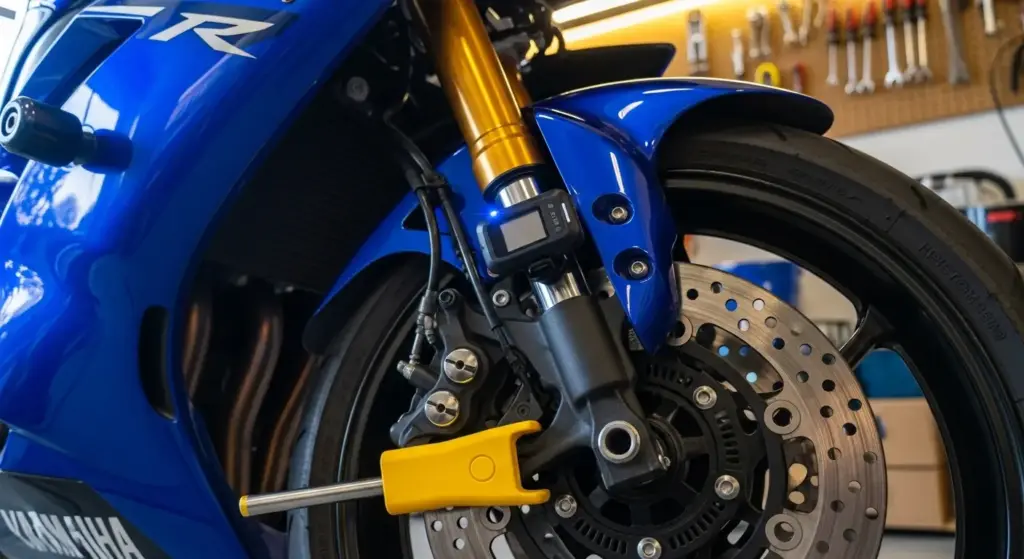
- Install disc-lock alarms or GPS trackers (brands like Monimoto or Scorpio Ride).
- Park in a garage or covered area — insurers often ask this on forms.
- Use smart tags or immobilizers that deter thieves.
Many riders report up to 10% premium reduction just by sharing proof of upgraded security devices.
You can explore setup tips in our Motorcycle Issues and Insurance categories for more in-depth guides.
💼 5. Improve Your Credit Score (Yes, It Matters)
Here’s the part many overlook: in several U.S. states and Canada, your credit score influences your insurance premium. A higher score = lower perceived risk.
How to improve it quickly:
- Pay bills and EMIs on time.
- Keep credit utilization under 30%.
- Avoid multiple new loan applications.
Within three months of responsible use, you might see a tangible drop in premium quotes during renewal.
🧾 6. Compare Before You Renew — Every Single Time
Loyalty doesn’t always pay in insurance. Renewal time is when most insurers quietly raise premiums.
Instead, compare quotes using tools like Progressive, GEICO, or Compare the Market before renewing. Once you have 2–3 offers, call your existing provider — many will match or beat competitor quotes to keep your business.
It’s a legal and smart way to trigger discounts without switching companies.
Also, if your motorcycle is older, you might qualify for vintage or limited-use discounts — especially if you ride under 3,000 miles a year.
🧠 7. Choose Your Bike Wisely Next Time

This one’s more future-facing — if you’re eyeing your next upgrade, pick a motorcycle that’s insurance-friendly.
Insurers reward:
- Mid-power engines (350cc–650cc range)
- ABS-equipped models
- Reliable brands with lower accident data
For instance, a Yamaha MT-07 or Honda CB500X might cost you far less to insure than a Ducati Panigale or BMW S1000RR — even though they’re all great bikes in their own right.
Sometimes saving $600 a year in insurance means saying no to a few extra horsepower.
🏍️ 8. Maintain a Clean Riding Record
This one’s obvious but often underestimated. A single at-fault accident or speeding ticket can raise your insurance by 20–40% for years.
Avoid aggressive riding, join defensive driving programs, and check your DMV record annually for errors. You’d be surprised how often outdated violations remain listed.
Once cleared, request an updated risk evaluation — you might qualify for an instant rate drop.
💬 9. Ask for Every Discount — Many Riders Don’t
Insurance reps rarely volunteer discounts unless you ask. Depending on your insurer, you might qualify for:
- Safe rider discount (no accidents for 3+ years)
- Low mileage discount (under 5,000 miles/year)
- Association membership (AMA, BMWMOA, etc.)
- Military or veteran discount
A quick 5-minute phone call can save you 10–15% annually.
Negotiating your insurance is like buying a bike — confident talkers get better deals.
🏁 Final Thoughts — Be Smart, Not Reckless
Lowering your motorcycle insurance premium legally isn’t magic — it’s method.
Riders who learn the system, keep their records clean, and show responsibility get rewarded consistently.
So next time your renewal notice lands, don’t just sigh and pay it. Compare, negotiate, and prove you’re not a risk — you’re a responsible rider.
And who knows — those few hundred dollars saved might fund your next weekend trip or a new helmet upgrade.
If you found this helpful, check out more guides in the Finance and Insurance sections on RideTrailBlaze — where we break down the real cost of riding, and how to make it lighter on your wallet.