
Something curious happens in every parking lot early in the morning. Riders start their bikes, let them idle, and wait — some for 10 seconds, others for a full minute — before rolling off. But is that necessary anymore?
The “warm-up debate” has divided the motorcycle community for years. Older riders swear by it. New-age owners of fuel-injected machines often dismiss it as outdated. The truth, as always, sits somewhere in between — and it’s worth understanding before you rev up and ride.
🔧 Why Warming Up a Motorcycle Became a Thing
Back in the carburetor days, warming up wasn’t just good practice — it was essential. Engines relied on mechanical fuel delivery, which needed heat to vaporize fuel efficiently. A cold engine ran rich, sputtered, and stalled easily.
So, riders developed the habit: start the bike, let it idle for a minute or two, then roll off gently. It wasn’t superstition — it was survival for both the engine and your patience.
Today, though, most modern motorcycles are fuel-injected, meaning they automatically adjust air-fuel mixtures depending on temperature. So does that mean warm-ups are dead? Not quite.
The habit came from necessity — now, it’s more about mechanical sympathy than survival.
🧊 Cold Oil, Cold Metal — Why Temperature Still Matters
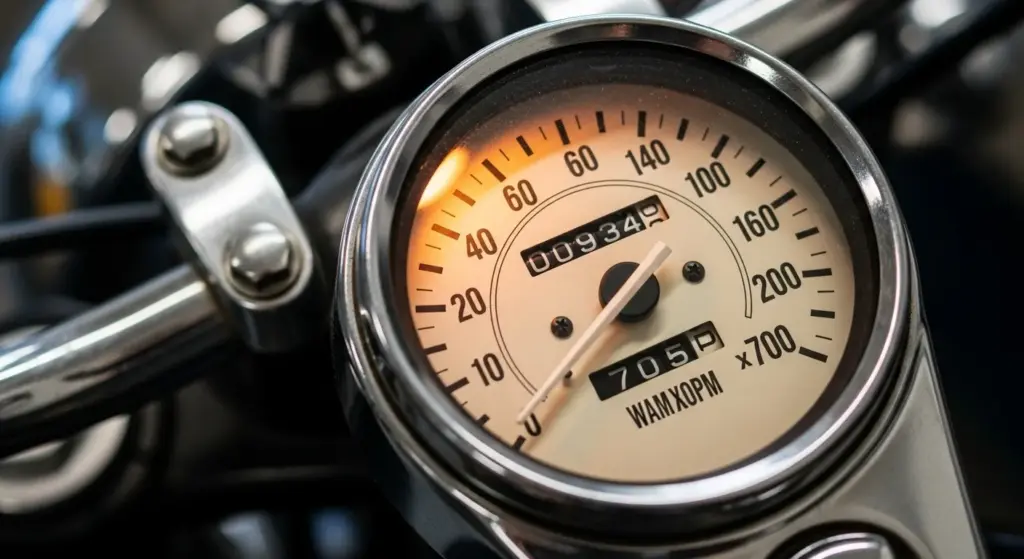
Even in the age of EFI (Electronic Fuel Injection), oil still behaves the same way. When cold, it’s thicker and slower to circulate. That means your pistons, crankshaft, and cam chain operate for a few seconds without full lubrication.
That’s why a short, 30–60 second idle still makes sense — not for the fuel, but for the oil.
When your bike reaches a mild temperature, the oil flows smoothly, reducing friction and preventing premature wear. Especially on performance bikes or air-cooled engines, those first seconds can make a big difference.
Think of it like stretching before a workout — not mandatory, but smart if you care about longevity.
⚙️ What Happens If You Skip Warming Up Completely
If you fire up your bike and blast off instantly, you won’t notice immediate damage. But repeated cold starts without warm-up can:
- Increase wear on piston rings and valves
- Reduce engine life over time
- Cause condensation in the exhaust system
- Lead to uneven fuel atomization and rough idling
Modern engines are resilient, sure — but they’re not immune to physics. A little patience before the throttle goes a long way, especially during winter rides or in colder climates.
For those in regions like the northern U.S., Canada, or the UK, skipping warm-ups entirely can lead to sticky throttles, sluggish response, and harder shifts.
Skipping warm-up once is fine. Doing it every day? That’s like running a marathon without tying your shoes.
⏱️ How Long Should You Actually Warm Up?
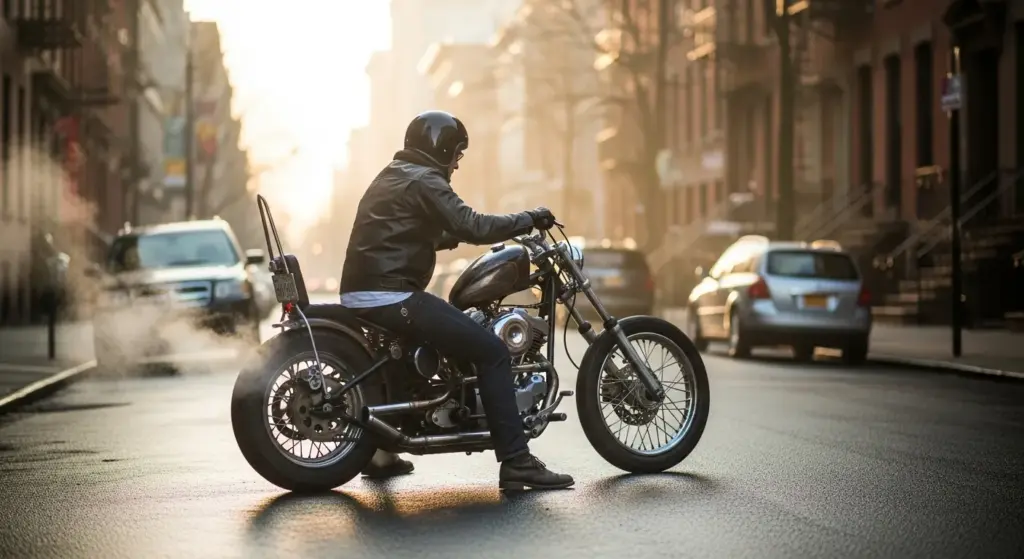
Let’s get this straight — we’re not talking about long idles that annoy the neighbors. The key is smart warming, not extended idling.
Here’s a simple guideline based on bike type and temperature:
| Riding Condition | Recommended Warm-Up Time |
|---|---|
| Warm Climate (above 25°C / 77°F) | 30 seconds |
| Mild Weather (15–25°C / 59–77°F) | 45 seconds |
| Cold Climate (below 15°C / 59°F) | 1–2 minutes |
| Air-Cooled Engines | 1.5 minutes minimum |
| High-Performance / Track Bikes | 2 minutes or gentle ride warm-up |
Rather than idling endlessly, start the bike, wait 30–60 seconds, and ride off gently. Avoid high RPMs until your temperature gauge starts moving.
Pro tip: The best warm-up is actually riding — just keep it easy for the first few miles.
💨 Fuel Injection vs Carburetor: The Big Difference
Carbureted engines are like analog radios — charming but sensitive. They need to “wake up” properly before performing well. Fuel-injected bikes, on the other hand, automatically adjust the air-fuel mixture, compensating for temperature instantly.
So, if you’re riding a modern EFI motorcycle, the warm-up period is shorter and simpler. For older bikes, though, you still need that old-school idle time — especially in cold weather or high-altitude areas.
If you own a dirt bike or dual-sport machine (you’ll find more in our Dirt Bikes Beginners Guide section), warm-ups are still crucial because many of those models use carburetors or small-displacement engines that rely heavily on oil viscosity.
⚠️ Why Long Idling Is Just as Bad
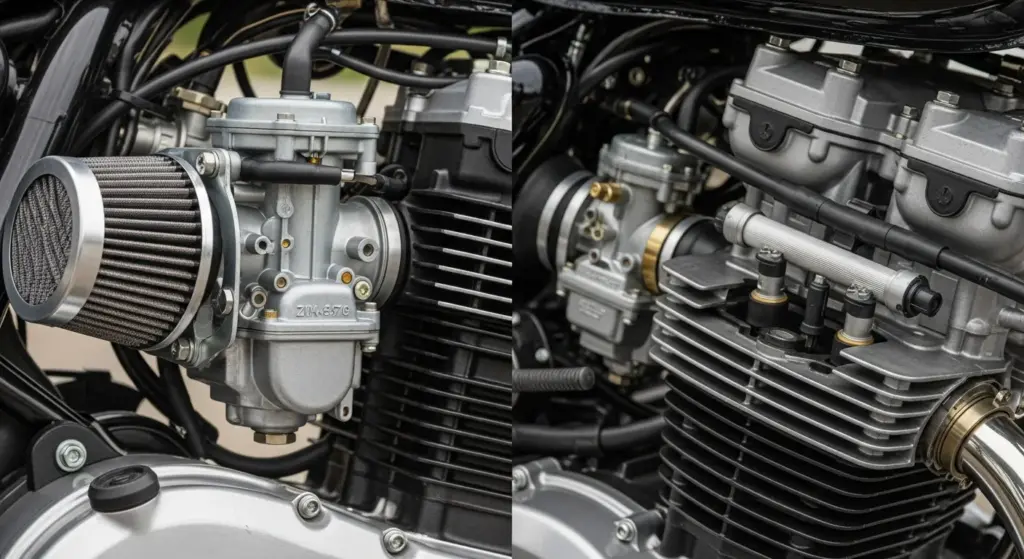
Too much of a good thing is, well, bad. Leaving your bike idling for too long can cause carbon buildup, fouled spark plugs, and wasted fuel.
It’s also environmentally rough — prolonged idling in enclosed areas can cause CO buildup, and it doesn’t help your fuel economy.
The ideal balance is short idle + gentle initial ride. Think of it like waking up with a coffee — not a two-hour nap.
Micro-opinion: Long warm-ups are like overcooking pasta — it ruins something that could’ve been perfect.
🔩 How Warm-Ups Affect Engine Longevity
Riders who take time to warm their bikes properly tend to report smoother shifting, better throttle response, and fewer mechanical issues. That’s because every internal component — from clutch plates to valve seals — expands at different rates with heat.
Allowing uniform expansion before putting stress on the system ensures fewer micro-abrasions and longer-lasting components.
Manufacturers may design engines to survive abuse, but they reward care. Regular warm-ups, correct coolant levels (see our detailed guide on How Often Should You Really Change Motorcycle Coolant?), and oil maintenance together form the holy trinity of engine longevity.
🧠 Myth vs Reality: The Truth About Motorcycle Warm-Ups
| Myth | Reality |
|---|---|
| “Modern bikes don’t need warm-ups.” | They still benefit from short warm-ups for oil circulation. |
| “You should idle for 10 minutes.” | No — excessive idling leads to deposits and wasted fuel. |
| “Cold starts don’t harm engines.” | They do — microscopic wear adds up over years. |
| “Revving helps the engine warm faster.” | Wrong — it just stresses cold components. |
There’s science behind every warm-up — it’s not superstition. Even the most advanced lubricants can’t protect cold metal instantly.
Micro-opinion: Modern bikes evolved, but physics didn’t.
🏁 Final Thoughts
So, do you really need to warm up your motorcycle before every ride?
The short answer: Yes, but smartly.
Thirty seconds to a minute of idle, followed by gentle riding, is all your bike needs. Not a long ritual — just a brief moment of respect for the machinery that carries you mile after mile.
If you’ve ever felt your bike respond smoother after a proper warm-up, that’s no placebo — it’s precision in motion.
And if you’re prepping for summer rides, check out our articles under Motorcycle Issues to keep your engine running cooler and stronger on every trip.
If you’ve been waiting for a sign to treat your engine right, this might just be it.